
Education in Emergency: Textbook for every Vulnerable Chile

By Oforka Anslem

Expired

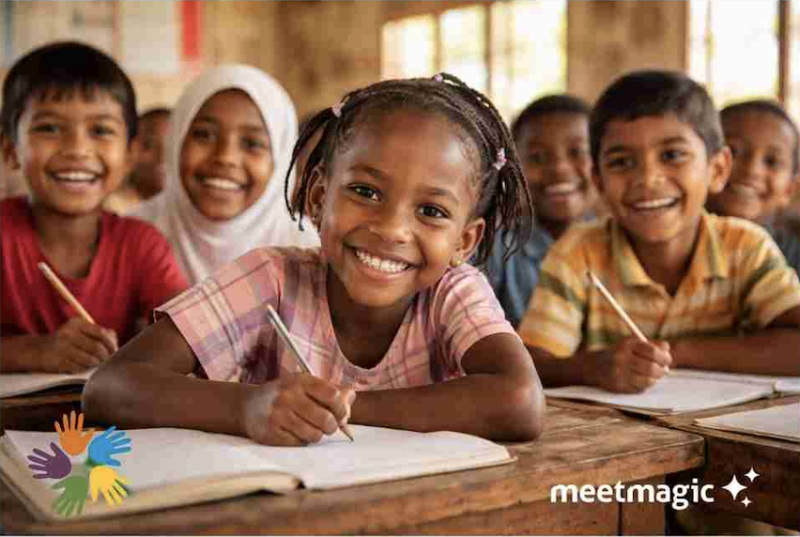
Internally displaced and orphaned children have been out of school for over 6 years due to a crisis that started in 2016. We've secured a place for their education but lack essential learning materials like textbooks to support their learning process.

Education (General)

AED 25,000.00

About the Cause

Dubai Cares’ programs are designed to reduce, if not remove, the greatest obstacles that prevent children and young people in developing countries from attaining quality education. With each intervention, Dubai Cares evaluates the need for assistance across two key areas: 
 
Access to Education which allows Dubai Cares to improve children’s health and learning environment, increase education enrollment and attainment, increase access to education, reduce absenteeism, increase gender parity and increase promotion rates.
 
Quality of Education which enables early learning, enhances educational attainment and school progression, improves literacy and numeracy skills among children, enables teachers to access teacher training resulting in better learning outcomes, reduce dropout rates and increase primary school attainment.

Dubai Cares is a long-term advocate of safeguarding children and young people’s right to education and is currently playing a global advocacy role in spreading the knowledge about the importance of providing education to the unprivileged children.
We also champion education through research - There is an overwhelming lack of evidence as to what works to promote children’s learning in crisis-affected contexts. Research plays a pivotal role in tackling this issue.
 

My Story

The educational landscape in the Northwest and Southwest regions of Cameroon is in crisis. Over 596,000 school-age children, including 156,000 Internally Displaced Persons (IDPs), urgently need educational support. Due to prolonged conflict and violence, 41% of schools and community learning spaces have closed. The European Civil Protection and Humanitarian Aid Operations report that ongoing tensions and armed battles between nonstate armed groups and the government have caused significant violence against civilians. Schools that attempt to stay open are often threatened or burned down. This dire situation has exposed children to numerous risks, including child marriage, criminality, abuse, recruitment into armed groups, and drug use. Attacks on teachers, children, and their parents further exacerbate the crisis, leaving 25% of children aged 3-17 out of school. The imposition of lockdowns and the establishment of ghost towns have further disrupted educational activities and access. The crisis, persisting since 2016, has created several barriers to education: Insecurity: Prevailing insecurity deters children from attending school and teachers from conducting classes. Financial Challenges: Many families cannot pay school fees or meet their children’s educational needs. Insufficient Resources: A significant shortage of books and learning materials hampers the education process. Non-Functional Schools: Many schools in communities are non-functional due to the conflict,

For better web experience, please use the website in portrait mode