About the Cause
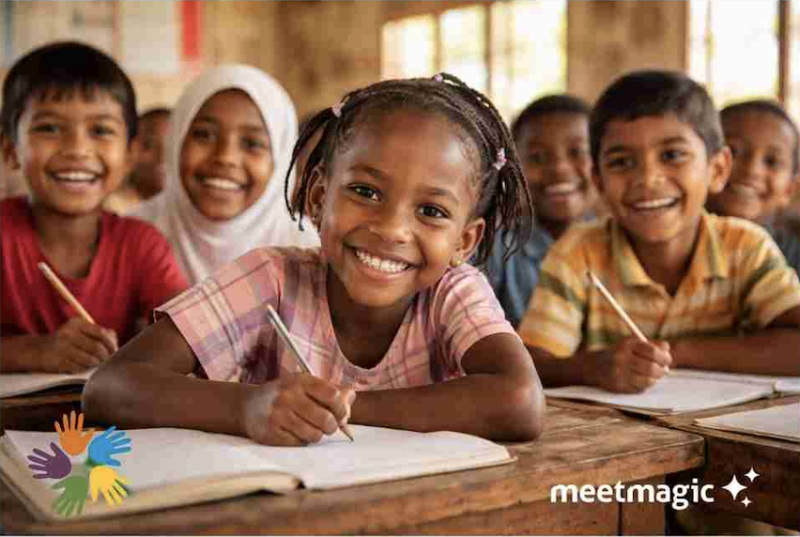
Poor health and nutrition negatively affect children’s school attendance and ability to learn. We implement school feeding programs that look for alternative ways to ensure sustainable supply of nutritious foods to school children and young people in urban and marginalized areas.
In addition, contaminated water and poor sanitation are big factors that result in the death of children worldwide. In our programs, we always include what is called WASH which means Water, Sanitation & Hygiene. This is done through the design and construction of child-friendly and gender sensitive facilities for sanitation, such as latrines and hand-washing stations. We also provide clean water supply by building water wells and raise awareness about the importance of sanitation and hygiene.
My Story
A fundraising campaign for persons with disabilities in health and nutrition would help to address these challenges and improve the overall health and well-being of this population. The funds raised could be used to: Provide accessible healthcare facilities and services Ensure that food and water are safe and accessible Promote physical activity and healthy eating habits Provide education and support to families and caregivers Challenge social stigma and discrimination By working together, we can make a difference in the lives of people with disabilities.\ A fundraising campaign for persons with disabilities in health and nutrition can help to build their lives in a number of ways. First, it can help to provide them with access to the healthcare they need. This includes access to doctors, hospitals, and other healthcare providers, as well as access to medications and medical equipment. Second, it can help to ensure that they have access to nutritious food. This includes providing them with food stamps, vouchers, or other forms of financial assistance to purchase healthy food. Third, it can help to promote physical activity and healthy eating habits. This can help them to better understand the needs of their loved ones with disabilities and how to provide them with the best possible care. Fifth, it can challenge social stigma and discrimination. This can be done through public awareness campaigns, advocacy efforts, and other initiatives.