
Ollystar International University

By Paulina Ogedengbe

Expired

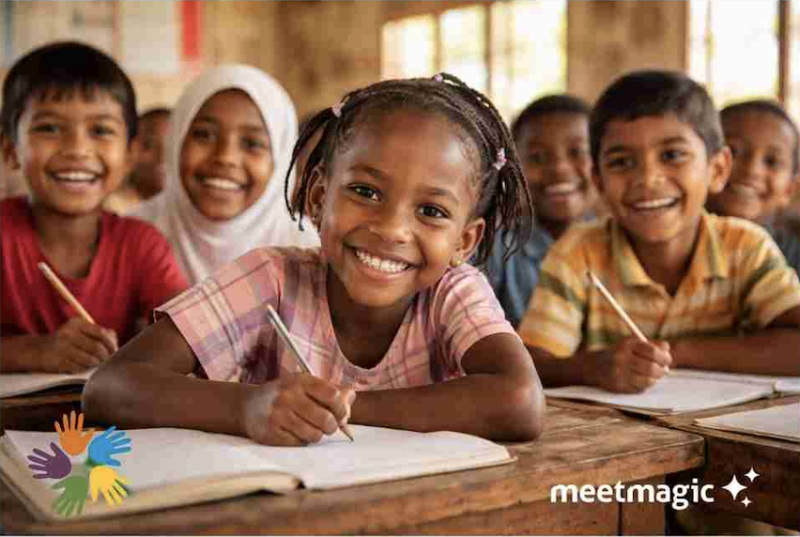
To enhance quality education in poorer communities of Africa, and to also ensure that all talented vulnerable children and youths who hailed from poorer communities in Africa have access to quality education

Education (General)

AED 20,000.00

About the Cause

Dubai Cares’ programs are designed to reduce, if not remove, the greatest obstacles that prevent children and young people in developing countries from attaining quality education. With each intervention, Dubai Cares evaluates the need for assistance across two key areas: 
 
Access to Education which allows Dubai Cares to improve children’s health and learning environment, increase education enrollment and attainment, increase access to education, reduce absenteeism, increase gender parity and increase promotion rates.
 
Quality of Education which enables early learning, enhances educational attainment and school progression, improves literacy and numeracy skills among children, enables teachers to access teacher training resulting in better learning outcomes, reduce dropout rates and increase primary school attainment.

Dubai Cares is a long-term advocate of safeguarding children and young people’s right to education and is currently playing a global advocacy role in spreading the knowledge about the importance of providing education to the unprivileged children.
We also champion education through research - There is an overwhelming lack of evidence as to what works to promote children’s learning in crisis-affected contexts. Research plays a pivotal role in tackling this issue.
 

My Story

We work to provide free world class K-12 and curriculum extension to university education for vulnerable children and youths, with a suitable infrastructure that supports sustainable development. We also work to Create digital and remote learning networks that make schools available to pupils and students in crisis environments where violence, riot, insurgency are the businesses of the day, to reduce cost of feeding, transportation, insecurity, and many more. Which is less risky, safe, and protective for marginalized and internally displaced children and youths, especially girls.

For better web experience, please use the website in portrait mode