
About the Cause
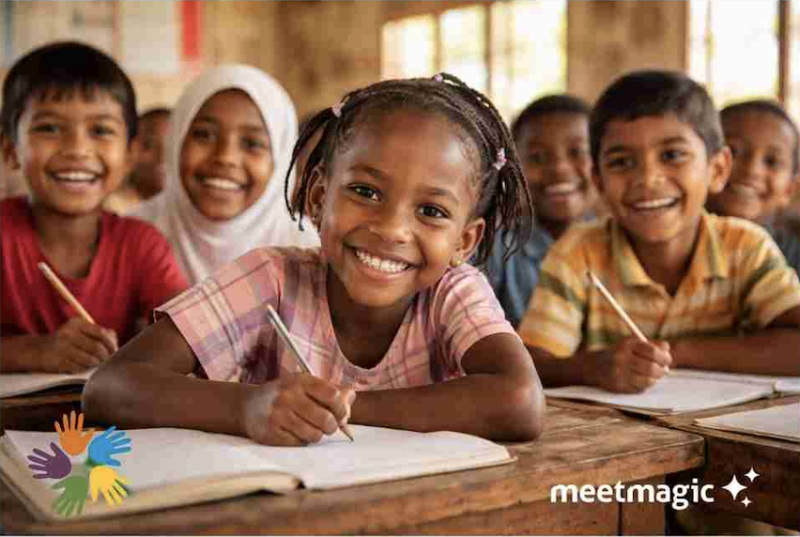
Gender equality is a cross-cutting theme in all Dubai Cares’ education programs with an approach that aims to secure equal access for boys and girls to safe learning environments with adequate facilities, materials and academic support from gender sensitized teachers and communities.
My Story
The costs of gender inequality in the formal economy are high, especially in developing countries. With increasing globalization, the cost is also rising. Although in the past increasing demand for labour as a result of economic growth was the main mechanism leading to women’s increased participation in formal employment and increased gender equality, future economic growth in developing countries is unlikely to be enough to produce similar results. Policy interventions by development actors, including governments and the private sector, will be required to increase women’s access to formal employment and promote equal access. Women often times do not have access to what it takes to enable them grow their small businesses and make them successful enough to attract any substantial attention. It is true many more women are building great and successful companies in and out of the African continent but percentage is relatively small compared to those operating in the informal economy. Out of these small businesses, women still carter for family needs including school fees and hospital bills for their children. This can only mean one thing- women will be capable of changing the standard of living of their families if they had access to more resources. In our recently published report titled "Women Transitioning Report"- from the informal to the formal economy, training these women was identified as one of the gateways to gender parity in the formal economy.